Anatomy of
a prompt.
Most prompts fail because they describe a vibe instead of a frame. A great prompt is nine fields, in order, with one defining word per field. The model already knows how to render an image — your job is to tell it which image, not how to render. Here's the anatomy, dissected against a real piece from the showcase.
Nine fields,
ninety percent of the work.
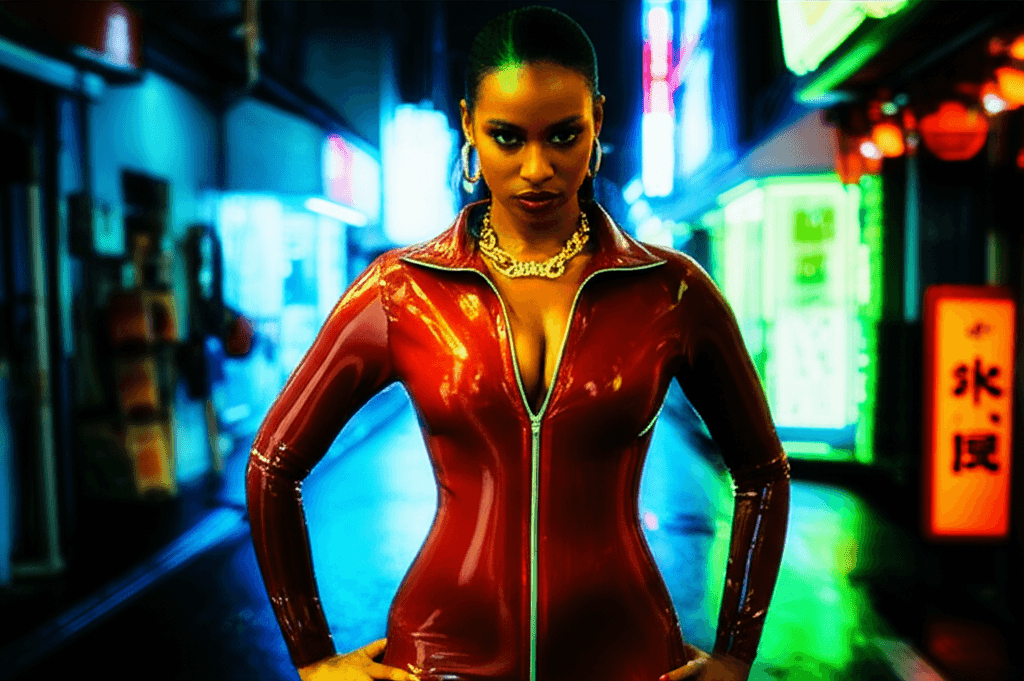
The piece on the left was generated from a structured nine-field prompt. Subject leads. Environment locates. Clothing characterizes. Lighting decides whether it reads cinematic or amateur. Camera picks the read. Atmosphere imprints emotion. Color grades the era. Film + format chooses the medium. Vibes signs the work.
Below: each field in turn. What it does. The line that produced this piece. The one-word swap that would change everything.
One field per knob.
turn one, see the rest move.
- 01
Subject
The single most weighted field. Models lean on the first 30 tokens. Lead with who or what is in frame, with one defining adjective. Resist piling on three.
Striking Black woman, early 20s, rich dark skin with golden undertones
Drop the age. Drop the skin descriptor. Add an occupation. Watch the entire image reframe — same subject, different read.
- 02
Environment
Two phrases: location, condition. "Tokyo alley at night, weathered by rain" beats "a city." The condition phrase is where 80% of mood lives.
Neon-lit Tokyo alley at night · weathered by elements
Same subject, change condition from "weathered" to "pristine." The character reads as protagonist instead of antagonist with no other change.
- 03
Clothing
Main piece, then accessories. Models render fabric weight better than fabric name — say "high-gloss" before "latex." Accessories are cheap signal: necklace, watch, earring shape.
High-gloss cherry red latex catsuit · chunky gold nameplate necklace
Replace one accessory. The image keeps 95% of its identity but the era reads twenty years older or younger.
- 04
Lighting
The single biggest knob for "this looks AI" vs "this looks real." Specify source AND quality. "Neon signs providing colored light, harsh contrast" beats "moody lighting."
Neon signs providing colored light · harsh contrast, deep shadows
Change "neon signs" to "single window practical light." Same subject, same wardrobe — the image moves from Blade Runner to Vermeer.
- 05
Camera
Position + lens. "Eye level, 85mm" reads as portrait. "Low angle, 24mm" reads as power. Skip aperture unless you want shallow DOF — modern models read "85mm" as "subject-isolated."
Eye level, straight on · 85mm portrait
Switch 85mm to 24mm. Subject stays, scene swallows them. Switch to overhead — image becomes documentary.
- 06
Atmosphere
The mood paragraph. Two slots: emotional tone, one physical element. "Tension and urban alienation, rain drops on lens" gives the model permission to add detail you didn't name.
Tension and urban alienation · rain drops on lens
Replace "rain drops" with "lens flare." Same emotion, different decade. Atmosphere is where the medium imprints onto the subject.
- 07
Color grade
Cinema-borrowed shorthand pays here. "Warm orange and teal blockbuster" is more legible than "vibrant colors." Name a film genre or photographer and the model takes the bait.
Warm orange and teal blockbuster · rich deep brown with golden warmth
Swap to "desaturated kodachrome, ektar 100" and the same scene reads as 1976 instead of 2026.
- 08
Film & format
Grain + aspect. "Visible high ISO grain, 16:9 cinematic" tells the model what surface to render onto. Square reads social. 2.35:1 reads theatrical. 4:5 reads editorial.
Visible high ISO grain from low-light · 16:9 cinematic
Same prompt at 4:5 aspect with "clean digital, no grain" reads magazine. Format is half the rendering decision.
- 09
Vibes
The reference field. Name a photographer, a director, a year. Models index on names better than on adjectives. "Helmut Newton powerful women, 1985" carries 200 words of implicit instruction.
Helmut Newton powerful women · fashion editorial with attitude and edge
Replace with "Saul Leiter color street photography." Wardrobe, lens, color grade all shift even if you didn't change those fields.
Same subject.
lighting alone moves the era.
Hold subject, wardrobe, camera, format, and vibes constant. Change only the lighting field. The same prompt yields four different decades. This is the single highest-leverage swap in the wizard.
01
Neon, harsh contrast
Tokyo alley, rain on lens
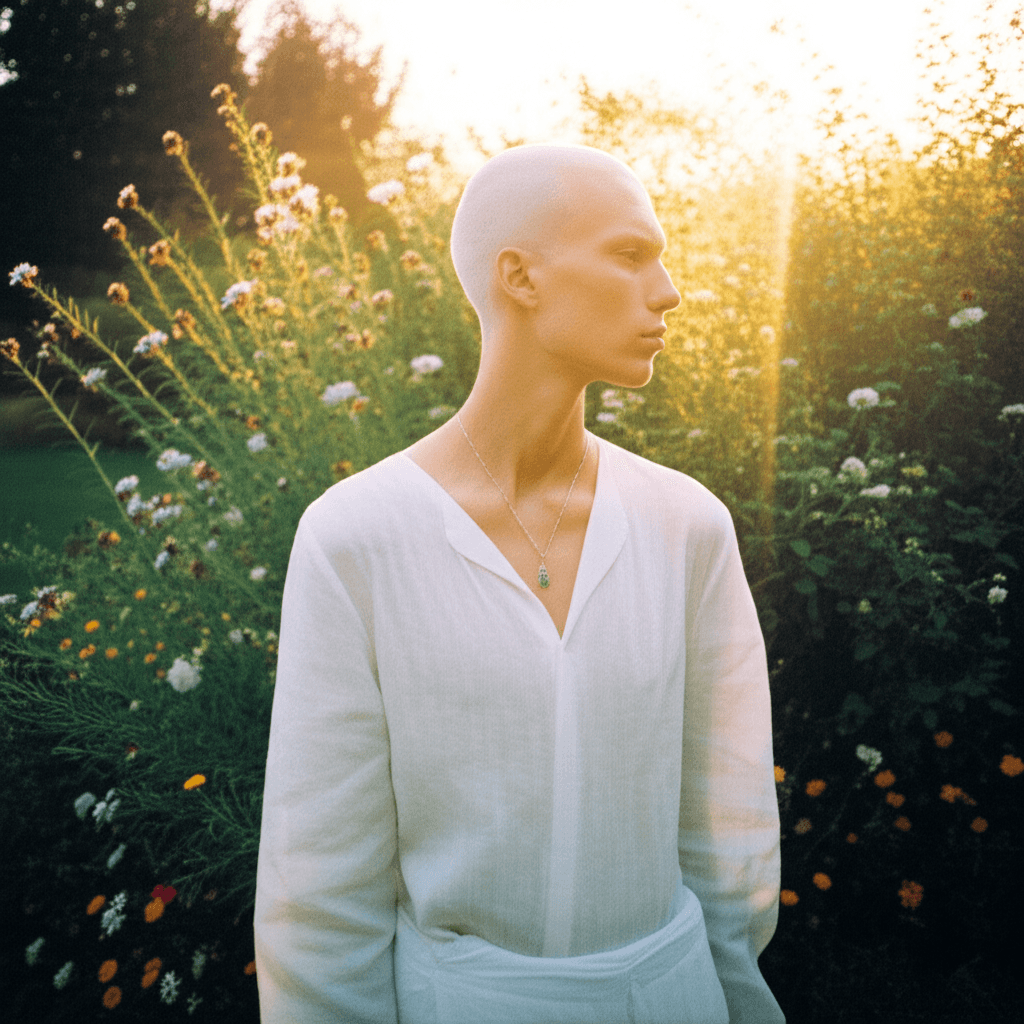
02
Golden hour, soft warm
Open field, natural backlight
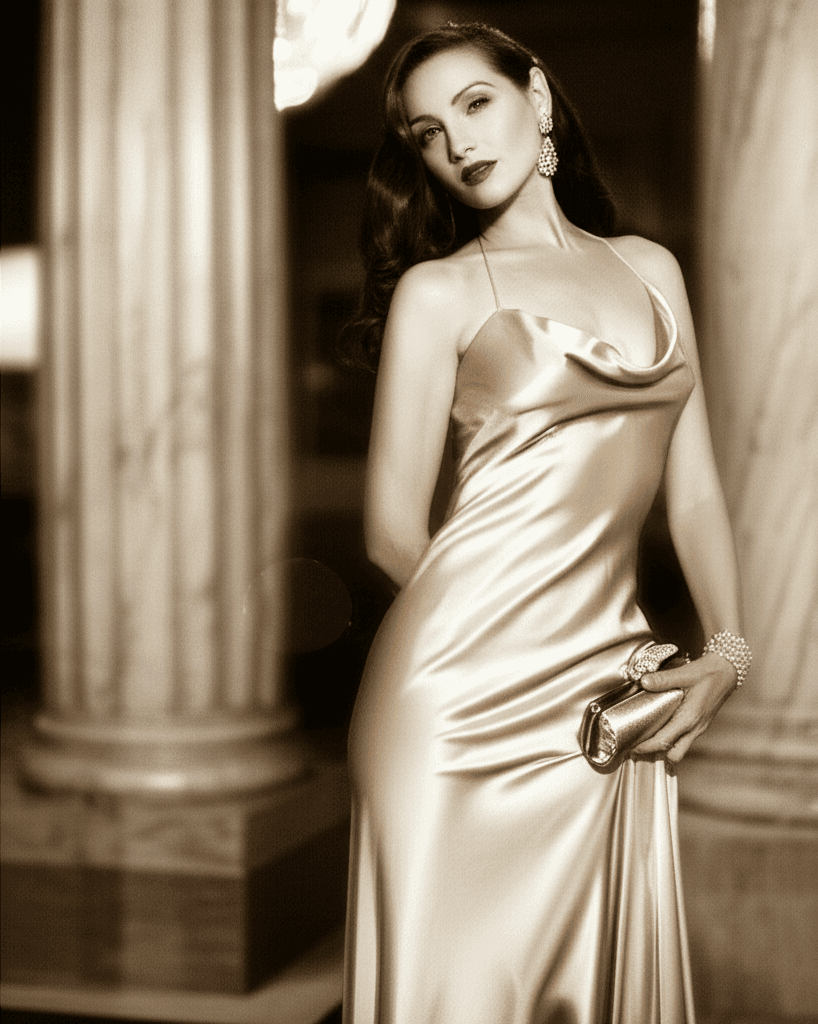
03
Studio, tungsten key
1940s soundstage, hard fill
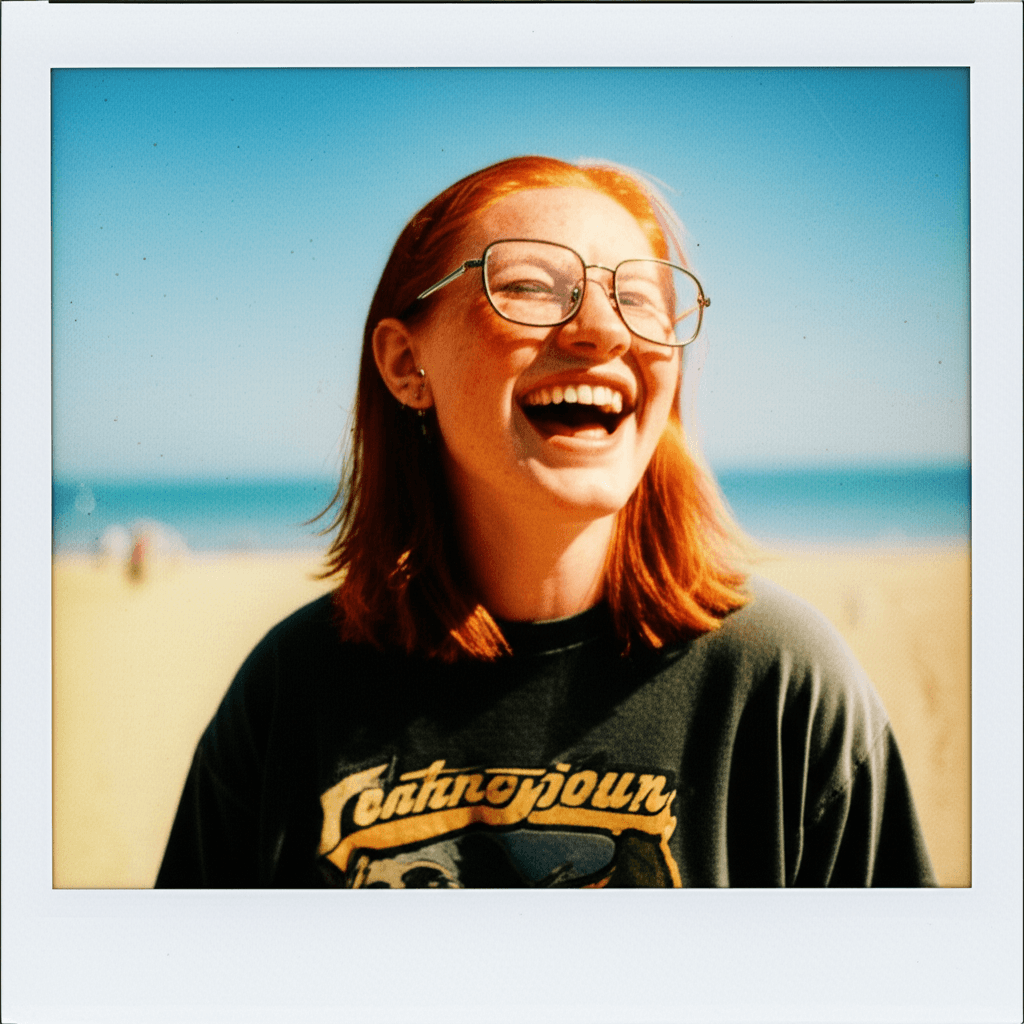
04
Flash, hard direct
Bedroom, on-camera bounce
The vibes field
does the heavy lifting.
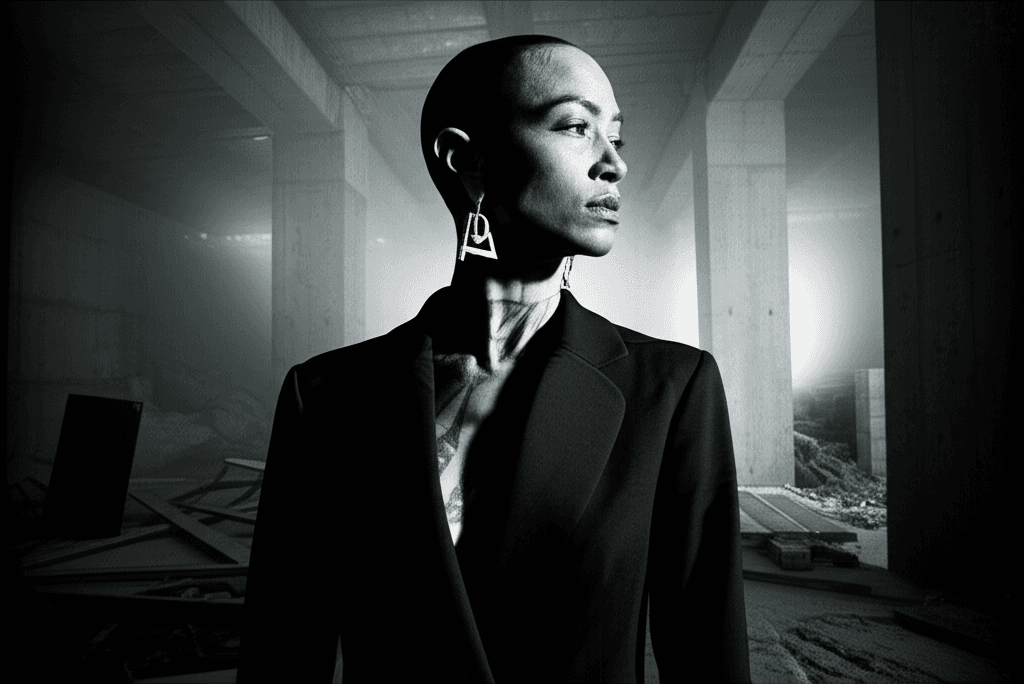
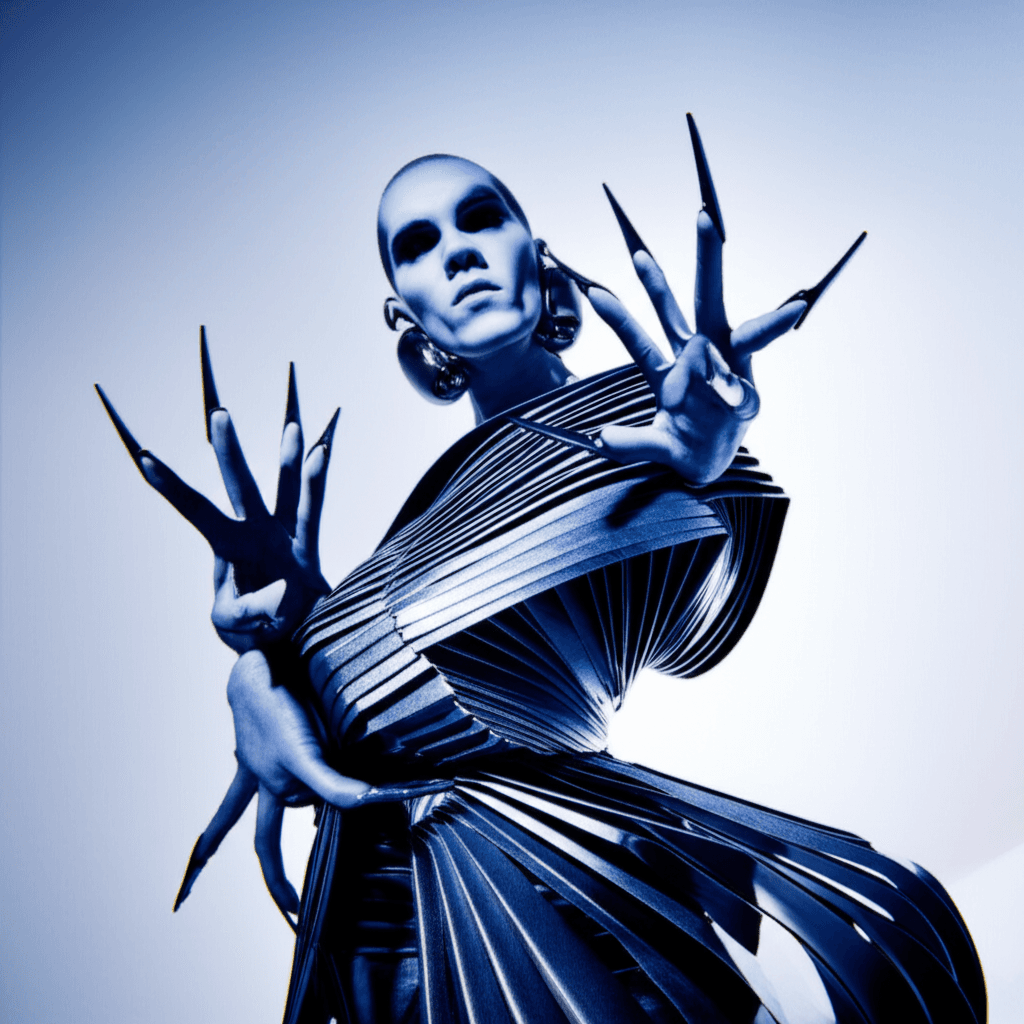
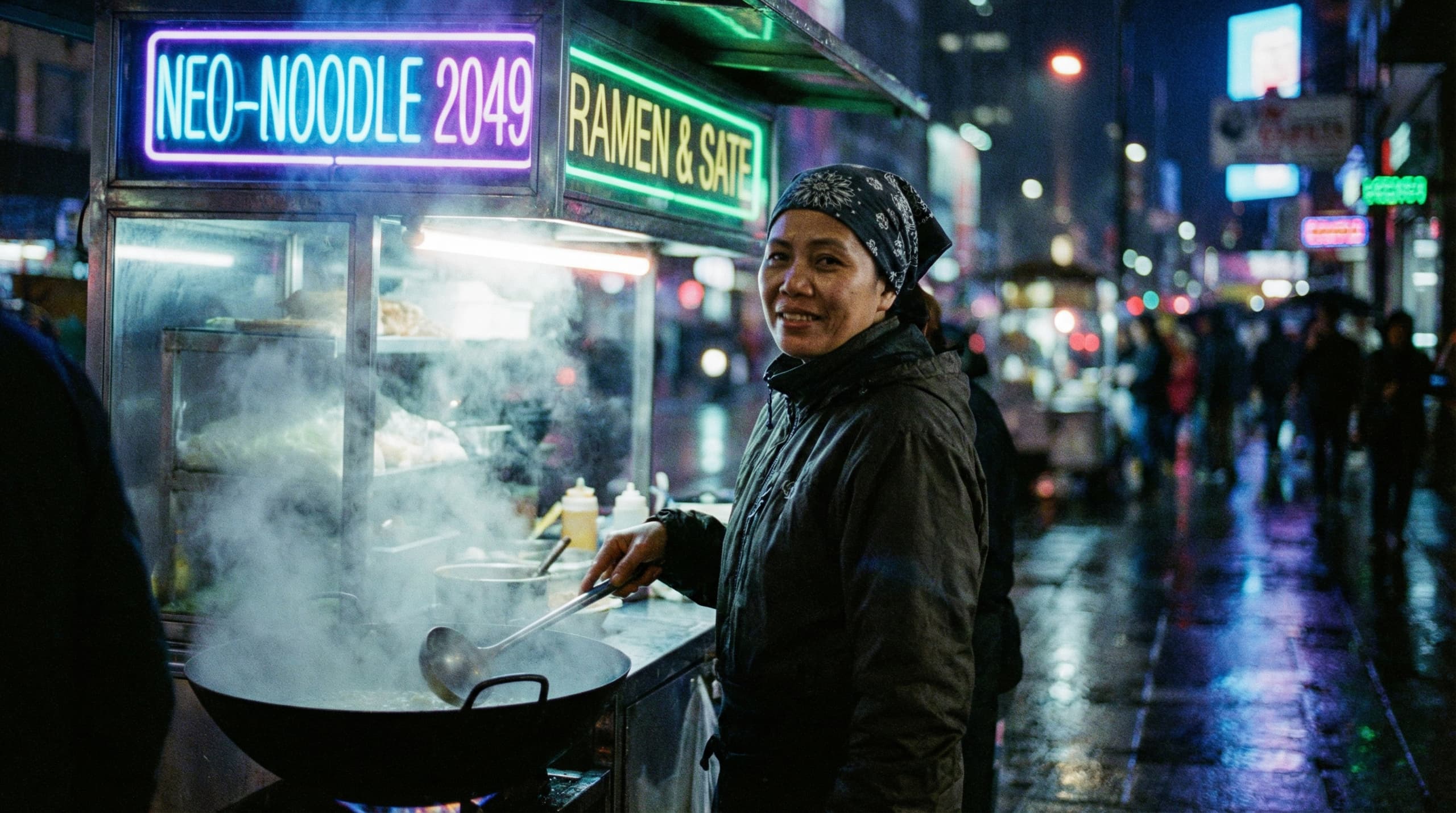
Six pieces from the showcase, each anchored on a different reference in the vibes field — Newton, brutalist, Hollywood, avant-garde, synthwave, cyberpunk. Same engine, same nine-field structure, entirely different work. Names index harder than adjectives.

The wizard fills
all nine fields for you.
13 guided categories. 7,000+ curated suggestions per field. Pick the engine, fill the anatomy, copy or generate. Free tier on Gemini, bring-your-own-key on the rest.